
Three weekends of showings and the offer went to someone else
The buyer called off a listing. Your agent met them there on Saturday, showed two more on Sunday, and set up a search. Two more weekends of showings followed. The buyer was friendly, engaged, and asked good questions. Then they went quiet. A month later your agent saw the closing in the MLS. The buyer bought a house from a listing agent they met at an open house.
Your agent spent fifteen hours and a lot of gas on someone who was never obligated to them and was never asked to be. There was no consultation. There was no conversation about representation. There was a search alert and a hope. If this happens to one agent once a quarter, it is a cost of doing business. If it is happening across your buyer side every month, it is why your buyer pipeline is full of names and empty of closings.
Why agents skip the consultation
Ask a buyer agent why they did not sit the buyer down first and you will hear the same answers. The buyer wanted to see the house today. The buyer would have gone to someone else. It felt pushy. The paperwork conversation is awkward. All of those are true and none of them are reasons. They are the same objections a seller raises about commission, just moved to the buyer side, and the agent is losing to them before the buyer even says them.
The deeper reason is that the agent does not see the consultation as a sale. They see it as an admin step that gets in the way of the fun part. So they skip it, show the house, and try to earn loyalty through effort. Effort does not create obligation. A signed agreement does, and so does a buyer who understands why they signed.
What the buyer consultation should cover
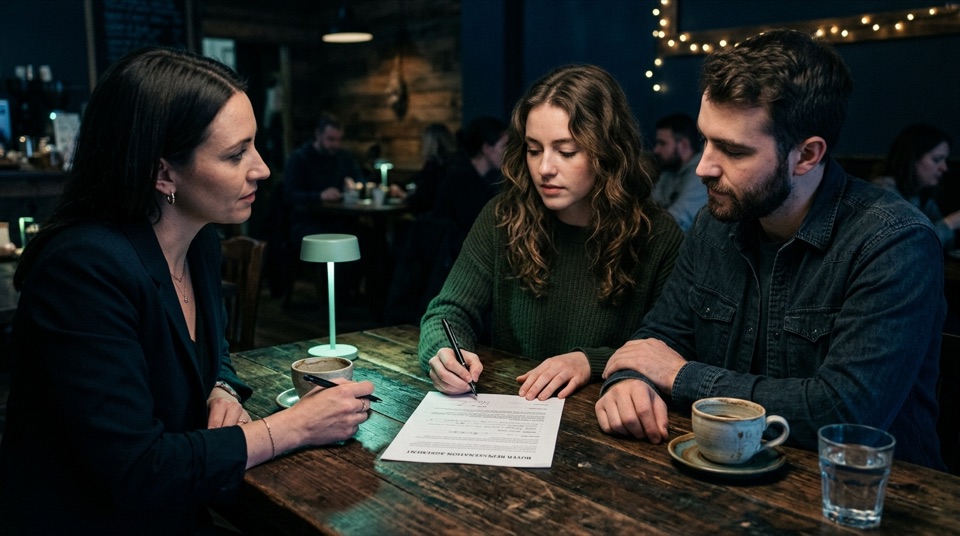
The consultation is 30 to 45 minutes, in the office or on video, before the first showing. It has the same shape as a listing appointment. Ask first: why are you moving, what is the timeline, what have you already seen, what happened if you have bought before, what would make this go badly. The buyer who has been outbid three times has a different consultation than the buyer relocating in six weeks.
Then explain what the buyer gets. Not a list of services. The specific things this agent will do for this buyer based on what they just said: how offers get written and won in this market, how the agent will handle the inspection, how the buyer will hear about homes before they hit the portals. Then explain how the agent is paid, in plain words, and what the agreement says. Then ask: "Does it make sense to work together on this? Once the agreement is signed, showings can start today."
The order matters. Agreement before showings. If a buyer insists on seeing a house first, the agent can do a single showing and hold the consultation the same day, but the agreement is still the price of the second showing.
- Ask about the move, timeline, history, and fears before anything else
- Explain what this buyer gets, tied to what they said
- Explain how the agent is paid and what the agreement says
- Ask for the signature before the first showing
The objections and what to say
Buyers push back in predictable ways. "I do not want to sign anything yet." "I found the house myself online." "I might just call the listing agent." "Why do I need an agreement to look at a house?" Each has a short, honest answer that your agent should have said out loud dozens of times before a buyer says it.
For the buyer who does not want to sign: agree that it is a real commitment, ask what worries them about it, and explain what the agreement protects for the buyer, not just the agent. For the buyer who found the house online: acknowledge that finding houses is the easy part now and that the agent's work starts after the house is found. For the buyer who might call the listing agent: explain plainly who that agent works for. These are not tricks. They are the truth, said calmly, by someone who has said it before.
This is where practice matters. In Revenue OS, the agent runs the buyer consultation against an AI buyer who raises these exact objections, by text or live voice, with 5 personas plus custom and 3 difficulty levels. Each run is scored in about 60 seconds on script adherence, objection handling, close attempt, energy and tone, and follow-up setup, 20 points each, with a coach's note. An agent who explains everything and never asks for the signature sees the close attempt score every time.
The buyer who keeps touring
Even signed buyers stall. They have seen twenty houses, liked four, and written on none. The agent keeps showing because showing feels like progress. It is not. At some point the agent has to ask what is actually stopping the buyer and address it, which usually means a conversation about price, expectations, or fear of the commitment.
Teach agents to hold that conversation after the tenth showing at the latest, and to treat it like an objection, not a mystery. Ask what has held them back on the homes they liked. Listen for the real reason. Handle it. Ask what would have to be true for them to write an offer this week. For the buyer who has gone quiet, a structured follow-up plan beats checking in. Deal Helper takes a description of the stalled buyer and returns three named plays with exact words and why each works, and logs the outcome per agent.
Making the consultation visible
You will not know whether your agents are holding consultations by asking them. You will know by hearing them. With the buyer's consent stated at the start, the agent records the consultation from their phone or on Zoom. The recording is scored on six skills plus your brokerage's buyer process at 60% weight, with the best and worst moment timestamped. A consultation under 80 becomes a redo due 6pm the next business day against an AI buyer seeded with that buyer's words.
Track two numbers per agent: consultations held before first showing, and agreements signed at consultation. The agents who do both will have shorter buyer cycles and far fewer lost offers. The agents who skip will show up on the list, and the recordings will show you exactly which part of the conversation they are avoiding.
The short version
- A buyer who never signed is a lead, not a client, and leads write offers with whoever is closest when they find the house.
- The consultation is a sales call: ask first, explain what this buyer gets, explain how the agent is paid, ask for the signature.
- Agreement before showings. A single showing first is a concession, not a policy.
- Drill the buyer objections against an AI buyer and record real consultations so skipped steps are visible.
Questions owners ask
Should a buyer agent require a representation agreement before showing homes?⌄
Yes, as the standard. The consultation and the agreement come before the first showing. If a buyer insists on seeing one house immediately, the agent can show it and hold the consultation the same day, but the agreement should be the condition of the second showing. Without it the agent is working for free with no obligation on either side.
What should an agent say when a buyer says they found the house online themselves?⌄
Agree that finding houses is the easy part now. Then explain that the work starts after the house is found: writing an offer that wins, negotiating the inspection, protecting the buyer through closing. Ask what the buyer wants to happen once they find the right one. The buyer usually realizes they are describing the agent's job.
How do I know if my buyer agents are holding consultations?⌄
Track consultations held before the first showing and agreements signed at consultation, per agent. Then hear the consultations: with consent, agents record them and the recordings are scored against your buyer process with the best and worst moment timestamped. Agents who skip the ask show up in both the numbers and the recordings.
See how the system runs in Real Estate.
Revenue OS for Real EstateYour best month ever, and the plan to beat it.
Break Your Revenue Record